Bhutan Tshechu Festival Gids
Published On : 5th Jul, 2026 By Himalayan Dream Team
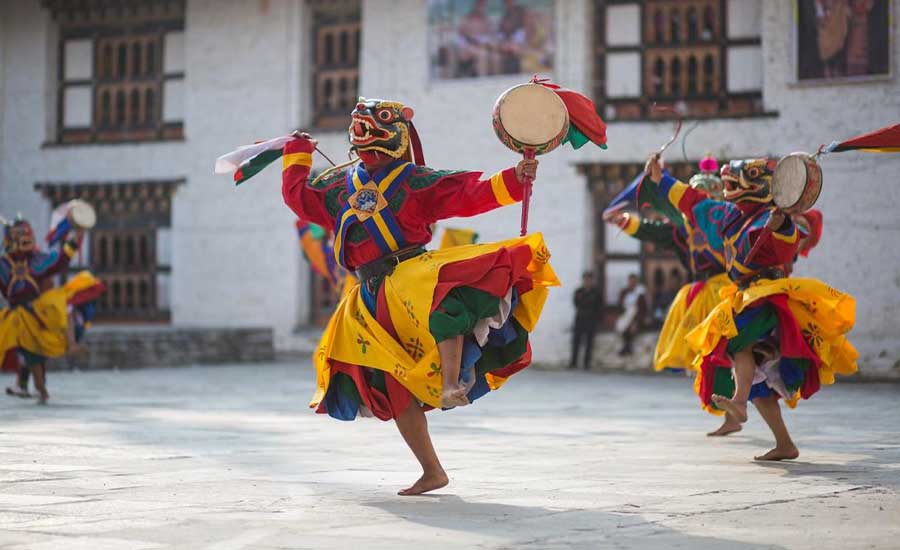
Overzicht van het Bhutan Tshechu Festival
Wat is het Bhutan Tshechu Festival?
Het Bhutan Tshechu Festival is de belangrijkste jaarlijkse boeddhistische viering van Bhutan. Het wordt in elk district (Dzongkhag) gehouden ter ere van Guru Rinpoche (Padmasambhava), de 8e-eeuwse boeddhistische meester die het Vajrayana-boeddhisme naar Bhutan bracht. Het woord "Tshechu" betekent "tiende dag" en verwijst naar de tiende dag van de maankalender, waarop deze heilige festivals traditioneel worden gevierd.
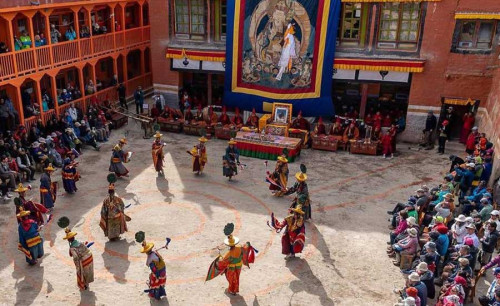
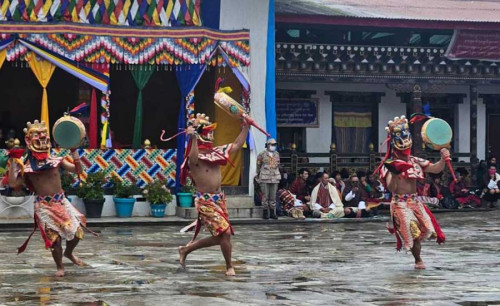
Het Bhutan Tshechu Festival is veel meer dan een cultureel evenement. Het is een spirituele bijeenkomst waarbij monniken en lokale gemeenschappen samenkomen om heilige Cham-maskerdansen, gebeden en religieuze rituelen uit te voeren. Deze eeuwenoude voorstellingen symboliseren de overwinning van wijsheid op onwetendheid en worden beschouwd als een bron van zegeningen, zuivering van negatief karma en inspiratie voor mededogen.
Voor reizigers is het bijwonen van een Tshechu een van de mooiste manieren om het rijke boeddhistische erfgoed van Bhutan te ervaren. Of u nu de beroemde Paro Tshechu, Thimphu Tshechu of Punakha Tshechu bezoekt, u bent getuige van kleurrijke ceremonies, traditionele Bhutanese klederdracht, levendige kloosterpleinen en een sfeer die nergens anders in de Himalaya te vinden is.
Bij Himalayan Dream Team bieden wij professioneel begeleide Bhutan-festivalreizen aan die authentieke culturele ervaringen combineren met comfortabel reizen, deskundige lokale gidsen en zorgvuldig samengestelde reisroutes. Zo ervaart u de ware spirit van Bhutan.
Belangrijke Feiten over het Bhutan Tshechu Festival
| Kenmerk | Details |
|---|---|
| Betekenis | "Tiende dag" van de Bhutanese maankalender |
| Religie | Vajrayana-boeddhisme |
| Gevierd ter ere van | Guru Rinpoche (Padmasambhava) |
| Belangrijkste hoogtepunten | Heilige Cham-maskerdansen, zegeningen door monniken, boeddhistische rituelen en de Thongdrel-ceremonie |
| Duur | Meestal 3–5 dagen |
| Beste reistijd | Lente (maart–april) en herfst (september–november) |
| Populairste festivals | Paro, Thimphu, Punakha, Wangdue Phodrang en Jambay Lhakhang Drup |
Waarom een Bhutan Tshechu Festival beleven?
Een Bhutan Tshechu Festival is veel meer dan een festival—het is een levende uitdrukking van het spirituele en culturele erfgoed van Bhutan. Bezoekers kunnen heilige boeddhistische ceremonies, kleurrijke gemaskerde Cham-dansen, traditionele muziek en de warme gastvrijheid van de Bhutanese bevolking ervaren, terwijl zij een dieper inzicht krijgen in een van de best bewaarde boeddhistische culturen ter wereld.
Geschiedenis van het Bhutan Tshechu Festival
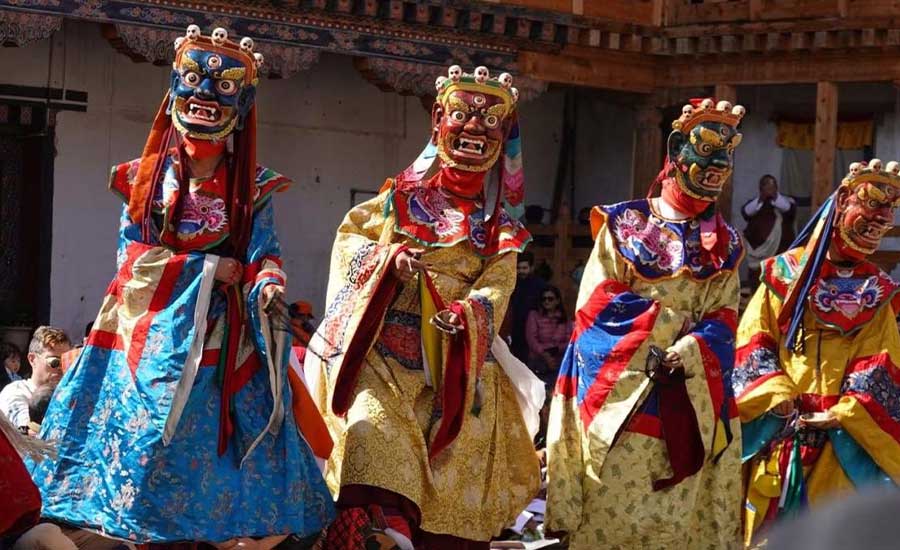
Oorsprong van het Tshechu Festival
Het Bhutan Tshechu Festival gaat terug tot de 8e eeuw en is nauw verbonden met Guru Rinpoche (Padmasambhava), de grote boeddhistische meester die het Vajrayana-boeddhisme naar Bhutan bracht. Volgens de Bhutanese traditie bezocht Guru Rinpoche de Himalaya om negatieve krachten te overwinnen, de boeddhistische leer te verspreiden en kloosters te stichten die de basis vormden van het spirituele erfgoed van Bhutan. Zijn leven en leer blijven iedere Tshechu-viering in het hele land inspireren.
Hoewel de oorsprong van het festival eeuwenoud is, kregen de Tshechu-vieringen zoals we die vandaag kennen hun huidige vorm in de 17e eeuw onder Zhabdrung Ngawang Namgyal, de stichter en vereniger van Bhutan. Hij stimuleerde de organisatie van jaarlijkse religieuze festivals in dzongs (vestingkloosters) om het boeddhisme te versterken, Bhutanese tradities te behouden en lokale gemeenschappen samen te brengen tijdens gezamenlijke spirituele vieringen.
De Invloed van Guru Rinpoche op Bhutan
Guru Rinpoche, ook bekend als Padmasambhava, wordt binnen het Vajrayana-boeddhisme beschouwd als de Tweede Boeddha. Zijn leer speelde een essentiële rol bij het vormen van de religieuze identiteit van Bhutan en heeft nog altijd een grote invloed op het dagelijks leven in het koninkrijk.
Tijdens iedere Tshechu wordt Guru Rinpoche geëerd met heilige rituelen, gebeden en symbolische Cham-dansen die zijn leven, mededogen en wijsheid uitbeelden. Deze uitvoeringen herinneren gelovigen aan belangrijke boeddhistische waarden en houden verhalen levend die al eeuwenlang van generatie op generatie worden doorgegeven.
Hoe het Festival Zich Heeft Ontwikkeld
Door de eeuwen heen is het Bhutan Tshechu Festival uitgegroeid tot een van de belangrijkste religieuze en culturele evenementen van het land. Hoewel het spirituele doel onveranderd is gebleven, is het festival ook een gelegenheid geworden voor families, vrienden en hele gemeenschappen om samen te komen, feest te vieren en de unieke tradities van Bhutan te behouden.
Tegenwoordig organiseert ieder district in Bhutan zijn eigen Tshechu, elk met karakteristieke dansen, rituelen en lokale tradities. Van de wereldberoemde Paro Tshechu en Thimphu Tshechu tot kleinere regionale festivals: elke viering biedt bezoekers een unieke inkijk in het levende boeddhistische erfgoed van Bhutan, terwijl de authenticiteit en spirituele waarden die het festival al eeuwen kenmerken behouden blijven.
Betekenis en Spirituele Betekenis van het Tshechu Festival
Wat Betekent "Tshechu"?
Het woord "Tshechu" komt uit de Dzongkha-taal en betekent "tiende dag". Het verwijst naar de tiende dag van een maand volgens de Bhutanese maankalender, een datum die wordt beschouwd als de herdenking van de geboorte van Guru Rinpoche (Padmasambhava) in zijn verschillende verschijningsvormen. Daarom worden Tshechu-festivals jaarlijks in heel Bhutan gevierd als belangrijke religieuze gebeurtenissen ter ere van zijn leven, leer en verlichte daden.
Waarom Wordt het Tshechu Festival Gevierd?
Het Bhutan Tshechu Festival wordt gevierd om de boeddhistische leer te behouden, het geloof te versterken en mededogen, wijsheid en harmonie binnen de samenleving te bevorderen. Tijdens het festival voeren monniken heilige rituelen en gebeden uit, terwijl gemaskerde Cham-dansen boeddhistische verhalen en morele lessen uitbeelden die al generaties lang worden doorgegeven.
Voor de Bhutanese bevolking wordt het bijwonen van een Tshechu beschouwd als een daad van toewijding. Velen geloven dat deelname aan het festival helpt om negatief karma te zuiveren, zegeningen te ontvangen en spirituele verdiensten te vergaren voor een gelukkiger en betekenisvoller leven.
De Spirituele Betekenis van het Festival
In tegenstelling tot veel culturele festivals over de hele wereld blijft het Bhutan Tshechu Festival een diep spirituele gebeurtenis en niet slechts een toeristische attractie. Elk ritueel, gebed en iedere heilige Cham-dans wordt uitgevoerd met een religieus doel en zet tradities voort die al eeuwenlang bewaard zijn gebleven.
Een van de meest indrukwekkende momenten van het festival is het onthullen van de Thongdrel, een gigantisch heilig religieus wandtapijt dat vóór zonsopgang op de laatste dag van geselecteerde Tshechu-festivals wordt getoond. Veel gelovigen geloven dat alleen al het aanschouwen van de Thongdrel zegeningen en spirituele zuivering brengt. Deze bijzondere ceremonie trekt jaarlijks duizenden pelgrims en bezoekers en wordt beschouwd als een van de heiligste boeddhistische tradities van Bhutan.
Waarom het Bhutan Tshechu Festival Uniek is
Wat het Bhutan Tshechu Festival werkelijk uniek maakt, is de authenticiteit. Deze vieringen zijn geen geënsceneerde voorstellingen, maar levende religieuze tradities die nog altijd een essentieel onderdeel vormen van de Bhutanese cultuur. Bezoekers krijgen de zeldzame kans om eeuwenoude boeddhistische ceremonies mee te maken, authentieke lokale tradities te ervaren en een dieper inzicht te krijgen in het spirituele erfgoed van Bhutan, terwijl zij samen met de lokale bevolking deelnemen aan de festiviteiten.
Een bezoek aan een Tshechu Festival biedt daarom veel meer dan alleen sightseeing—het is een betekenisvolle culturele ervaring en een onvergetelijke kennismaking met het hart van het Koninkrijk Bhutan.
Bhutan Tshechu Festivalkalender 2026–2027
Bhutan organiseert het hele jaar door talrijke Tshechu-festivals, waarbij elk district zijn eigen unieke festival viert volgens de Bhutanese maankalender. Hoewel iedere Tshechu hetzelfde spirituele doel heeft—het eren van Guru Rinpoche—heeft elk festival zijn eigen karakteristieke Cham-dansen, rituelen en lokale tradities. De populairste festivals onder internationale bezoekers vinden plaats in Paro, Thimphu, Punakha, Wangdue Phodrang en Bumthang.
Omdat de festivaldata gebaseerd zijn op de maankalender, verschillen ze elk jaar. Door uw reis af te stemmen op de officiële festivaldata beleeft u de levendige religieuze vieringen en het rijke culturele erfgoed van Bhutan op hun best.
Data van de Bhutan Tshechu Festivals 2026
| Festival | Locatie | Verwachte data |
|---|---|---|
| Paro Tshechu | Paro | 30 maart – 3 april 2026 |
| Punakha Drubchen & Tshechu | Punakha | 18 – 22 februari 2026 |
| Wangdue Phodrang Tshechu | Wangdue Phodrang | 22 – 24 september 2026 |
| Thimphu Tshechu | Thimphu | 27 – 29 september 2026 |
| Jambay Lhakhang Drup | Bumthang | 8 – 12 november 2026 |
Data van de Bhutan Tshechu Festivals 2027
| Festival | Locatie | Verwachte data |
|---|---|---|
| Paro Tshechu | Paro | 19 – 23 maart 2027 |
| Punakha Drubchen & Tshechu | Punakha | 8 – 12 februari 2027 |
| Wangdue Phodrang Tshechu | Wangdue Phodrang | 11 – 13 oktober 2027 |
| Thimphu Tshechu | Thimphu | 16 – 18 oktober 2027 |
| Jambay Lhakhang Drup | Bumthang | 28 oktober – 1 november 2027 |
Opmerking: Dit zijn verwachte data op basis van de Bhutanese maankalender. De officiële festivaldata worden dichter bij het evenement bevestigd door de monastieke autoriteiten van Bhutan. Wij raden aan om uw Bhutan Tshechu Festival-reis enkele maanden van tevoren te boeken, aangezien vluchten, hotels en festivalreizen tijdens het hoogseizoen vaak snel zijn volgeboekt.
Welk Bhutan Tshechu Festival Past het Beste bij U?
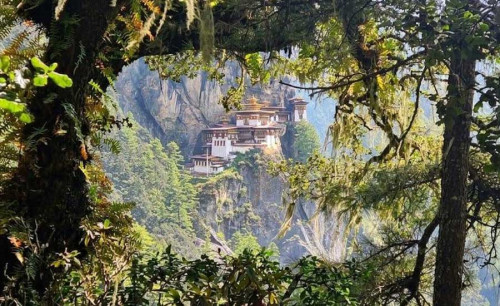
- Paro Tshechu – Het beroemdste lentefestival van Bhutan, ideaal te combineren met een bezoek aan het iconische Tiger's Nest-klooster.
- Thimphu Tshechu – Het grootste en meest levendige festival van de hoofdstad, met spectaculaire Cham-dansen en duizenden lokale gelovigen.
- Punakha Tshechu & Drubchen – Een unieke viering die historische veldslagen combineert met heilige boeddhistische ceremonies.
- Wangdue Phodrang Tshechu – Een rustigere culturele ervaring met minder bezoekers en authentieke lokale tradities.
- Jambay Lhakhang Drup – Een van de oudste festivals van Bhutan, beroemd om zijn heilige rituelen en bijzondere ceremonies in de Bumthang-vallei.
Met Himalayan Dream Team kunt u deelnemen aan zorgvuldig samengestelde Bhutan-festivalreizen die samenvallen met deze bijzondere vieringen. Zo beleeft u de spirituele tradities, indrukwekkende kloosters en de warme Bhutanese gastvrijheid op het mooiste moment van het jaar.
Belangrijkste Tshechu Festivals in Bhutan
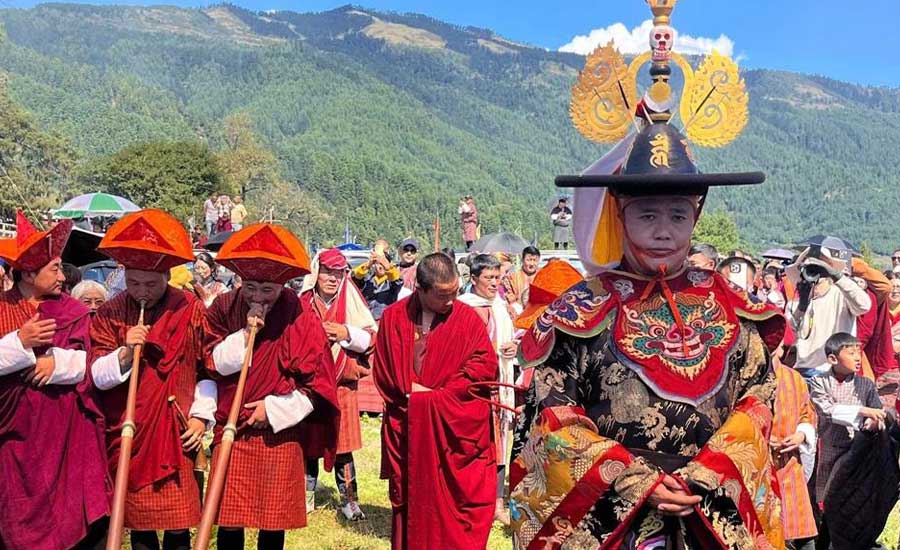
Bhutan viert Tshechu-festivals in elk district, elk met zijn eigen unieke tradities, heilige Cham-dansen en religieuze ceremonies. Hoewel alle Tshechu-festivals Guru Rinpoche (Padmasambhava) eren, heeft ieder festival zijn eigen sfeer, geschiedenis en culturele betekenis. Hieronder vindt u de populairste Tshechu-festivals die zowel lokale gelovigen als internationale bezoekers aantrekken.
Paro Tshechu
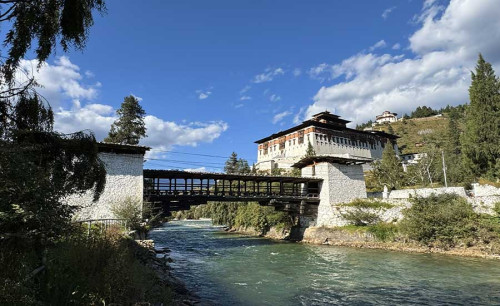
De Paro Tshechu is het beroemdste en drukst bezochte festival van Bhutan. Het vindt ieder voorjaar plaats bij de historische Rinpung Dzong in de prachtige Paro-vallei. Het festival staat bekend om spectaculaire Cham-maskerdansen, kleurrijke traditionele klederdracht en de heilige onthulling van de Guru Thongdrel op de laatste ochtend. Veel reizigers combineren het festival met een wandeling naar het iconische Tiger's Nest-klooster, waardoor dit een van de meest bijzondere culturele ervaringen in Bhutan is.
Thimphu Tshechu
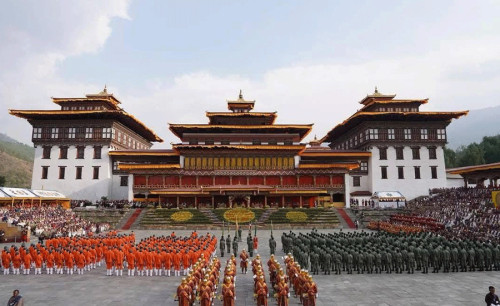
De Thimphu Tshechu wordt gehouden in de hoofdstad bij de indrukwekkende Tashichho Dzong en is het grootste religieuze festival van Bhutan. Duizenden Bhutanese pelgrims komen samen om zegeningen te ontvangen, heilige maskerdansen te bewonderen en hun spirituele erfgoed te vieren. Dankzij de levendige sfeer, goede bereikbaarheid en indrukwekkende optredens is dit festival een uitstekende keuze voor een eerste bezoek aan Bhutan.
Punakha Tshechu & Drubchen
De Punakha Tshechu is bijzonder omdat deze wordt voorafgegaan door de historische Punakha Drubchen, een traditionele heropvoering van de 17e-eeuwse veldslag waarmee Bhutan zich verdedigde tegen een Tibetaanse invasie. Samen vormen deze vieringen een unieke combinatie van geschiedenis, religie en cultuur. Bezoekers krijgen een fascinerend inzicht in het verleden van Bhutan en beleven heilige dansen en ceremonies in de prachtige Punakha Dzong.
Wangdue Phodrang Tshechu
De Wangdue Phodrang Tshechu biedt een rustigere en authentiekere festivalervaring dan de grotere festivals van Bhutan. Dit festival staat bekend om zijn traditionele Cham-dansen en gastvrije lokale gemeenschap. Dankzij de kleinere bezoekersaantallen kunt u de Bhutanese cultuur van dichtbij beleven, terwijl u geniet van het prachtige landschap van de Wangdue Phodrang-vallei.
Jambay Lhakhang Drup
Het Jambay Lhakhang Drup, dat wordt gevierd in de Bumthang-vallei, is een van de oudste en heiligste religieuze festivals van Bhutan. Het staat bekend om zijn bijzondere spirituele ceremonies, waaronder de beroemde Mewang (Vuurzegeningsceremonie) en de traditionele Tercham-dans. Hierdoor behoort het tot de meest unieke culturele en religieuze evenementen van Bhutan.
Haa Summer Festival
In tegenstelling tot de traditionele Tshechu-festivals staat het Haa Summer Festival in het teken van de nomadische levensstijl en de culturele tradities van West-Bhutan. Bezoekers kunnen genieten van lokale muziek, traditionele sporten, demonstraties van yakherders, Bhutanese gerechten en culturele optredens, terwijl zij een van de minst bezochte valleien van Bhutan ontdekken.
Welk Bhutan Tshechu Festival Past het Beste bij U?
Het beste festival hangt af van uw persoonlijke interesses.
- Kies voor Paro Tshechu als u het bekendste festival van Bhutan wilt beleven en eenvoudig het Tiger's Nest-klooster wilt bezoeken.
- Bezoek Thimphu Tshechu voor de grootste festiviteiten en spectaculaire Cham-dansen.
- Ervaar Punakha Tshechu vanwege de unieke combinatie van geschiedenis en boeddhistische tradities.
- Ontdek Wangdue Phodrang Tshechu voor een rustigere en authentieke culturele ervaring.
- Reis naar Jambay Lhakhang Drup als u geïnteresseerd bent in de oudste religieuze ceremonies en bijzondere spirituele tradities van Bhutan.
Bij Himalayan Dream Team bieden wij op maat gemaakte Bhutan-festivalreizen aan die volledig kunnen worden afgestemd op uw favoriete Tshechu-festival. Zo beleeft u het rijke culturele erfgoed, de adembenemende landschappen en de warme Bhutanese gastvrijheid tijdens één onvergetelijke reis.
Heilige Cham-Maskerdansen Uitgelegd
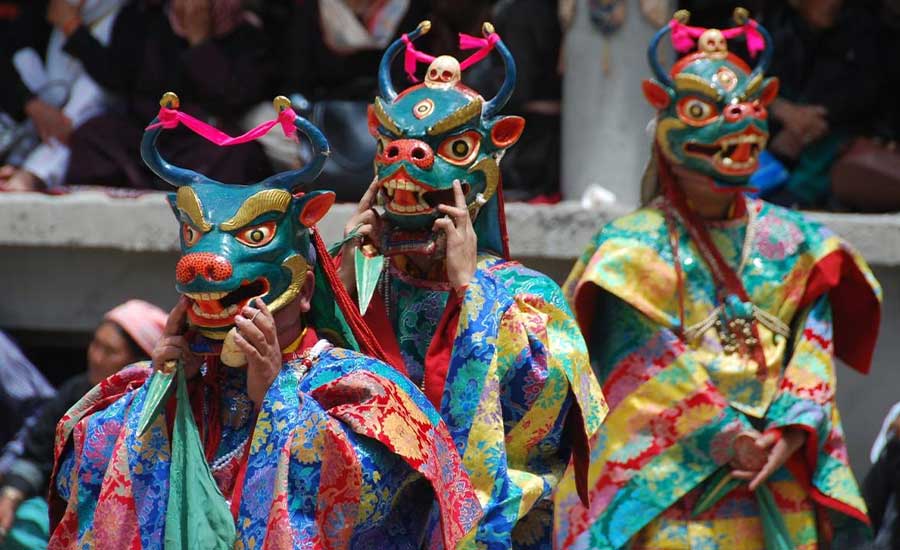
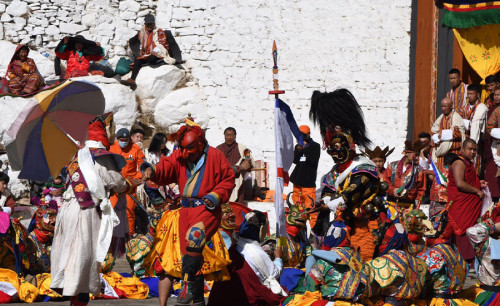
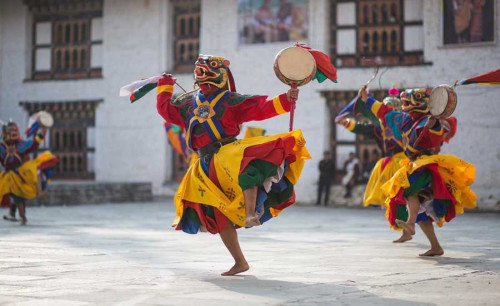
Een van de hoogtepunten van ieder Bhutan Tshechu Festival zijn de Cham-dansen—heilige gemaskerde dansen die worden uitgevoerd door monniken en speciaal opgeleide leken. Dit zijn geen gewone culturele optredens, maar religieuze rituelen die al eeuwenlang in Bhutan worden uitgevoerd. Elke dans vertelt een boeddhistisch verhaal, brengt morele waarden over en symboliseert de overwinning van wijsheid, mededogen en het goede op onwetendheid en het kwaad.
Wat Zijn Cham-dansen?
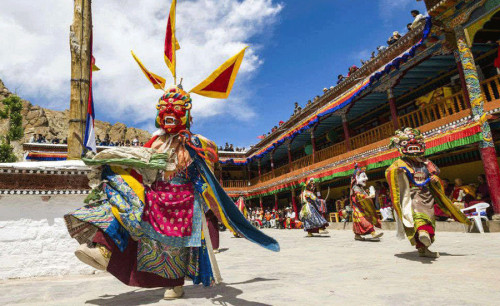
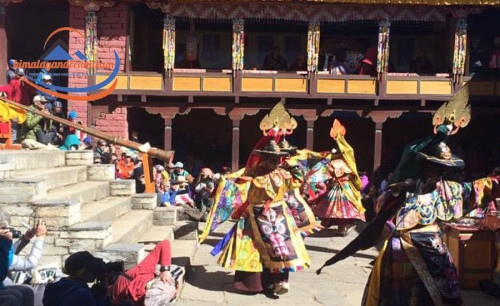
Cham-dansen zijn traditionele boeddhistische rituele dansen die tijdens Tshechu-festivals worden uitgevoerd op de binnenplaatsen van kloosters en dzongs. De dansers dragen rijk versierde zijden gewaden, kleurrijke maskers en symbolische kostuums die godheden, beschermers, dieren en verlichte wezens voorstellen. Begeleid door trommels, cimbalen, lange hoorns en gezangen heeft iedere uitvoering een diepe spirituele betekenis en wordt deze beschouwd als een daad van meditatie en toewijding, in plaats van puur vermaak.
De Zwarte Hoeden Dans (Shana Cham)
De Zwarte Hoeden Dans is een van de oudste en belangrijkste Cham-dansen die tijdens veel Tshechu-festivals wordt uitgevoerd. De dans symboliseert het verdrijven van negatieve krachten, onwetendheid en obstakels, terwijl tegelijkertijd de heilige festivalplaats wordt gezuiverd. De sierlijke bewegingen van de dansers staan symbool voor de overwinning van wijsheid en de bescherming van de boeddhistische leer.
Guru Tshengye (De Acht Manifestaties van Guru Rinpoche)
De Guru Tshengye-dans beeldt de Acht Manifestaties van Guru Rinpoche uit, waarbij iedere manifestatie een andere fase van zijn verlichte activiteiten vertegenwoordigt. Door middel van deze symbolische uitvoeringen krijgen bezoekers een beter inzicht in de rol van Guru Rinpoche bij de verspreiding van het boeddhisme en het overwinnen van obstakels in de Himalaya.
Drametse Ngacham
De Drametse Ngacham, ook wel de Trommeldans genoemd, is door UNESCO erkend als Immaterieel Cultureel Erfgoed en behoort tot de bekendste religieuze uitvoeringen van Bhutan. Dansers in kleurrijke kostuums voeren ritmische trommeldansen uit waarvan wordt geloofd dat zij vrede, harmonie en spirituele zegeningen brengen.
Atsara's – De Heilige Festivalclowns
Een van de meest bijzondere figuren tijdens een Bhutan Tshechu Festival is de Atsara, een gemaskerde clown die het publiek vermaakt en tegelijkertijd boeddhistische lessen overbrengt door middel van humor en satire. Atsara's gaan in gesprek met toeschouwers, helpen bezoekers de festivaletiquette te begrijpen en zorgen voor een vrolijke sfeer, zonder afbreuk te doen aan de spirituele betekenis van het festival.
Waarom Zijn Cham-dansen Zo Belangrijk?
Voor Bhutanese boeddhisten wordt geloofd dat het bekijken van Cham-dansen positief karma oplevert, zegeningen schenkt en het begrip van de boeddhistische leer verdiept. Voor bezoekers bieden deze heilige uitvoeringen een fascinerend inzicht in de levende spirituele tradities van Bhutan en vormen zij een van de meest onvergetelijke ervaringen van ieder Bhutan Tshechu Festival.
De Heilige Thongdrel-Ceremonie
Een van de meest eerbiedwaardige momenten van het Bhutan Tshechu Festival is de onthulling van de Thongdrel, een gigantisch heilig boeddhistisch wandtapijt dat vóór zonsopgang wordt getoond op de laatste dag van de belangrijkste Tshechu-festivals. De Thongdrel toont doorgaans Guru Rinpoche (Padmasambhava), omringd door verlichte meesters en boeddhistische godheden. Voor Bhutanese boeddhisten wordt het aanschouwen van dit heilige doek beschouwd als een van de grootste spirituele zegeningen en een zeldzame kans om spirituele verdiensten en zuivering te ontvangen.
Wat is een Thongdrel?
Een Thongdrel is een groot, met de hand vervaardigd religieus wandtapijt, gemaakt van fijne zijde en rijk geborduurde stoffen. Vanwege de enorme spirituele betekenis wordt het slechts enkele uren vóór zonsopgang op de laatste dag van geselecteerde Tshechu-festivals getoond. Daarna wordt het zorgvuldig opgeborgen en de rest van het jaar bewaard. Door deze korte onthulling is de ceremonie een van de meest verwachte hoogtepunten van het festival.
Waarom wordt de Thongdrel vóór zonsopgang onthuld?
Volgens de boeddhistische traditie wordt de Thongdrel onthuld voordat de eerste zonnestralen erop vallen. Na zonsopgang wordt het heilige doek met groot respect opgerold en bewaard tot het festival van het volgende jaar. Al vroeg in de ochtend verzamelen duizenden gelovigen zich om tijdens deze bijzondere ceremonie zegeningen te ontvangen en eer te betonen.
Spirituele Betekenis van de Thongdrel
De Thongdrel staat symbool voor mededogen, wijsheid en verlichting. Veel Bhutanen geloven dat alleen al het met oprechte toewijding aanschouwen van dit heilige wandtapijt helpt om negatief karma te zuiveren, zegeningen te ontvangen en spiritueel te groeien. Daarom wordt de onthulling van de Thongdrel beschouwd als het spirituele hoogtepunt van veel Tshechu-festivals.
Waar Kunt U de Thongdrel Zien?
De heilige Thongdrel-ceremonie is een van de hoogtepunten van de bekendste festivals van Bhutan, waaronder:
- Paro Tshechu
- Thimphu Tshechu
- Punakha Tshechu
- Verschillende andere regionale Tshechu-festivals in Bhutan
Het is belangrijk om vroeg aanwezig te zijn, aangezien duizenden lokale gelovigen zich al vóór zonsopgang verzamelen om getuige te zijn van deze religieuze gebeurtenis die slechts één keer per jaar plaatsvindt.
Traditionele Kleding en Festivaletiquette
Een Bhutan Tshechu Festival beleven draait niet alleen om het bekijken van heilige ceremonies, maar ook om respect voor de diepgewortelde boeddhistische tradities van Bhutan. Door bescheiden kleding te dragen en de lokale gebruiken te volgen, kunnen bezoekers de spirituele sfeer optimaal ervaren en tegelijkertijd respect tonen voor monniken, gelovigen en de lokale gemeenschap.
Traditionele Bhutanese Kleding
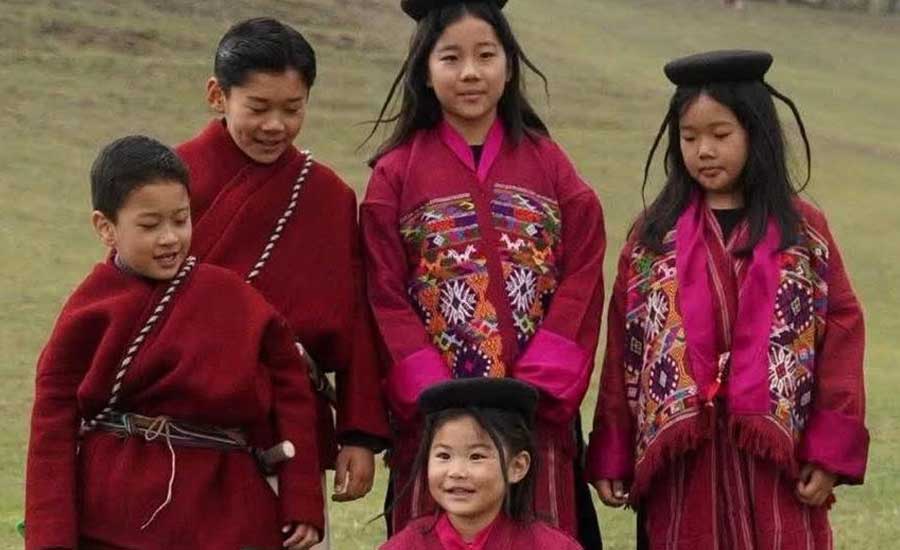
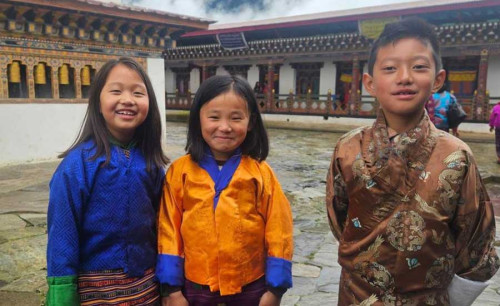
Tijdens Tshechu-festivals dragen Bhutanen met trots hun nationale klederdracht. Mannen dragen de Gho, een knielange mantel die met een traditionele riem wordt vastgemaakt, terwijl vrouwen de elegante Kira dragen, een prachtig geweven jurk tot aan de enkels, gecombineerd met een jasje en een sjaal. Het dragen van traditionele kleding tijdens religieuze festivals weerspiegelt de sterke culturele identiteit van Bhutan en het respect voor het nationale erfgoed.
Hoewel internationale bezoekers niet verplicht zijn Bhutanese kleding te dragen, kiezen velen ervoor om een Gho of Kira te huren of aan te schaffen voor een nog authentiekere culturele ervaring.
Wat Moeten Toeristen Dragen?
Bezoekers wordt aangeraden bescheiden en comfortabele kleding te dragen die geschikt is voor een religieuze gelegenheid. Lange broeken, rokken die over de knie vallen en shirts die de schouders bedekken worden aanbevolen. Comfortabele wandelschoenen zijn eveneens verstandig, aangezien festivalterreinen vaak groot zijn en u veel moet lopen of langere tijd moet staan.
Vermijd onthullende kleding, het dragen van hoeden in tempels en outfits die als respectloos kunnen worden beschouwd op heilige plaatsen.
Festivaletiquette
Bhutan Tshechu-festivals zijn actieve religieuze vieringen, waardoor respectvol gedrag van groot belang is. Volg altijd de aanwijzingen van uw gids, blijf stil tijdens gebeden en ceremonies en vraag toestemming voordat u foto's maakt van monniken of lokale bewoners. Het gebruik van flitslicht tijdens heilige dansen en in tempels wordt afgeraden.
Veel bezoekers arriveren bovendien vroeg om een goede plek te bemachtigen, aangezien duizenden Bhutanen de ceremonies bijwonen, vooral op de laatste dag wanneer de heilige Thongdrel wordt onthuld.
Respecteer de Lokale Gebruiken
Een Tshechu is veel meer dan een cultureel evenement—het is een belangrijke uiting van het Bhutanese geloof en het gemeenschapsleven. Door respectvolle kleding te dragen, lokale tradities te respecteren en met een open houding deel te nemen, beleven bezoekers een waardevolle culturele ervaring en dragen zij tegelijkertijd bij aan het behoud van de unieke spirituele tradities van Bhutan.
Beste Tijd om het Bhutan Tshechu Festival te Bezoeken
Bhutan organiseert het hele jaar door Tshechu-festivals, maar de beste reistijd hangt af van het festival dat u wilt meemaken en het type weer dat u prefereert. De populairste seizoenen zijn de lente (maart tot mei) en de herfst (september tot november), wanneer de lucht meestal helder is, de temperaturen aangenaam zijn en de belangrijkste Tshechu-festivals van Bhutan plaatsvinden.
Lente (maart tot mei)
De lente is een van de mooiste seizoenen om Bhutan te bezoeken. De valleien staan vol bloeiende rododendrons, de temperaturen zijn aangenaam en het uitzicht is uitstekend, waardoor dit de ideale periode is voor sightseeing en wandelingen. De beroemde Paro Tshechu, een van de grootste religieuze festivals van Bhutan, vindt plaats in deze periode en kan uitstekend worden gecombineerd met een bezoek aan het iconische Tiger's Nest-klooster.
Herfst (september tot november)
De herfst wordt beschouwd als het hoogseizoen voor reizen naar Bhutan. Heldere bergpanorama's, aangenaam weer en kleurrijke landschappen maken dit de perfecte periode voor culturele rondreizen en fotografie. In deze tijd van het jaar kunnen reizigers de spectaculaire Thimphu Tshechu, Wangdue Phodrang Tshechu en Jambay Lhakhang Drup beleven. Deze festivals trekken duizenden gelovigen en bezoekers uit de hele wereld.
Winter (december tot februari)
De winter biedt minder drukte en een rustige sfeer, vooral in het westen en midden van Bhutan. Hoewel de temperaturen lager zijn, blijven valleien zoals Punakha relatief mild. Hierdoor is dit een uitstekende periode om de Punakha Tshechu en Punakha Drubchen bij te wonen, terwijl u geniet van rustigere reisomstandigheden.
Welk Seizoen Kunt U het Beste Kiezen?
| Seizoen | Belangrijkste festivals | Waarom bezoeken? |
|---|---|---|
| Lente (mrt–mei) | Paro Tshechu | Aangenaam weer, bloeiende landschappen en de Tiger's Nest-wandeling |
| Herfst (sep–nov) | Thimphu Tshechu, Wangdue Tshechu, Jambay Lhakhang Drup | Beste bergpanorama's, grootste festivals en ideaal voor fotografie |
| Winter (dec–feb) | Punakha Tshechu & Drubchen | Minder toeristen, zacht winterklimaat in Punakha en een authentieke culturele ervaring |
Ongeacht welk seizoen u kiest, biedt een bezoek aan een Bhutan Tshechu Festival een unieke kans om de rijke boeddhistische tradities, kleurrijke festiviteiten en gastvrije Bhutanese cultuur van dichtbij te ervaren. Het is aan te raden uw reis ruim van tevoren te boeken, vooral voor de grote festivals, omdat accommodaties en vluchten tijdens deze populaire periodes snel volgeboekt raken.
Hoe Plant U Uw Bhutan Tshechu Festival Reis?
Een reis naar het Bhutan Tshechu Festival vereist een goede voorbereiding, aangezien Bhutan het toerisme zorgvuldig reguleert om zijn unieke cultuur en natuurlijke omgeving te beschermen. Door uw reis ruim van tevoren te boeken, profiteert u van een betere beschikbaarheid van vluchten, de beste accommodaties en de kans om een van de meest indrukwekkende religieuze vieringen van Bhutan mee te maken.
Boek Uw Reis Op Tijd
De populairste festivals, zoals de Paro Tshechu en Thimphu Tshechu, trekken zowel lokale pelgrims als internationale bezoekers. Hotels en vluchten zijn vaak al maanden van tevoren volgeboekt. Daarom raden wij aan om uw Bhutan Festival-reis minimaal 6 tot 9 maanden vóór vertrek te reserveren, vooral wanneer u in het populaire lente- of herfstseizoen reist.
Heeft U een Visum Nodig?
De meeste internationale reizigers hebben een toeristenvisum voor Bhutan nodig voordat zij het land mogen binnenkomen. Dit visum wordt geregeld via een erkende Bhutanese touroperator als onderdeel van uw reisarrangement. Voor bezoekers uit India, Bangladesh en de Malediven gelden afwijkende toegangsvoorwaarden. Controleer daarom altijd de meest actuele regelgeving voordat u uw reis plant.
Sustainable Development Fee (SDF)
Bhutan brengt voor de meeste internationale bezoekers een Sustainable Development Fee (SDF) in rekening. Deze bijdrage ondersteunt natuurbehoud, het behoud van de Bhutanese cultuur, onderwijs en gezondheidszorg, terwijl Bhutan zijn beleid van hoogwaardig en duurzaam toerisme met een beperkte impact kan blijven uitvoeren. Omdat overheidsregels kunnen veranderen, adviseren wij u altijd het actuele SDF-tarief te controleren voordat u uw reis boekt.
Hoeveel Dagen Heeft U Nodig?
Een verblijf van 5 tot 8 dagen is ideaal voor de meeste reizigers die een Tshechu Festival willen bezoeken. Dit biedt voldoende tijd om het festival te beleven en tegelijkertijd de bekendste bezienswaardigheden van Bhutan te ontdekken, zoals het Tiger's Nest-klooster, Punakha Dzong, de Dochula-pas en de hoofdstad Thimphu. Heeft u meer tijd beschikbaar, dan kunt u meerdere Tshechu-festivals combineren of uw reis uitbreiden met een uitgebreide culturele rondreis door Bhutan.
Wat Moet U Inpakken?
Neem comfortabele wandelschoenen, bescheiden kleding die geschikt is voor religieuze locaties, een lichte jas voor de frisse ochtenden en avonden, zonnebrandcrème, een zonnebril, een herbruikbare waterfles en een camera mee. Omdat het tijdens de festivals druk kan zijn, is een kleine dagrugzak met uw dagelijkse benodigdheden erg praktisch.
Met een goede voorbereiding kunt u optimaal genieten van de kleurrijke festivals, adembenemende landschappen en rijke boeddhistische tradities van Bhutan, terwijl u verzekerd bent van een comfortabele en onvergetelijke reis.
Waarom Kiezen voor Himalayan Dream Team voor Uw Bhutan Tshechu Festival Reis?
Wanneer u uw Bhutan Tshechu Festival-reis boekt bij Himalayan Dream Team, reist u met een betrouwbare lokale specialist die zich inzet voor authentieke culturele ervaringen, persoonlijke service en een perfect georganiseerde reis. Daarom kiezen reizigers van over de hele wereld voor ons:
- Lokale Experts in Bhutan & Nepal – Uitgebreide kennis van de festivals, cultuur, kloosters en Himalaya-bestemmingen van Bhutan.
- Authentieke Festivalervaringen – Beleef de bekendste Tshechu-festivals met deskundige lokale gidsen die de geschiedenis, symboliek en tradities achter iedere ceremonie uitleggen.
- Gegarandeerde Festivalvertrekken – Zorgvuldig samengestelde reisprogramma's die aansluiten op de officiële data van de Bhutan Tshechu Festivals.
- Reizen op Maat – Stem uw Bhutan-reis volledig af op uw reisstijl, interesses, favoriete festival en beschikbare tijd.
- Kleine Groepen & Privéreizen – Kies voor een kleinschalige groepsreis of een volledig op maat gemaakte privéreis.
- Ervaren Gecertificeerde Gidsen – Vriendelijke Engelssprekende lokale gidsen die u tijdens de hele reis begeleiden met waardevolle culturele inzichten en uitstekende service.
- Comfortabele Accommodaties – Verblijf in zorgvuldig geselecteerde hotels met een hoog niveau van comfort, gastvrijheid en een gunstige ligging nabij de belangrijkste bezienswaardigheden.
- Comfortabel Privévervoer – Reis veilig en comfortabel met professionele chauffeurs en goed onderhouden voertuigen.
- Eenvoudige Bhutan Visumservice – Wij verzorgen uw visumaanvraag en alle reisformaliteiten voor een zorgeloze vakantie.
- Combineer Nepal & Bhutan – Breid uw reis uit met UNESCO-werelderfgoedlocaties in Nepal, Himalaya-trekkings, wildsafari's of helikoptertours.
- Verantwoord & Duurzaam Toerisme – Wij stimuleren duurzaam reizen met respect voor de natuur, cultuur, tradities en lokale gemeenschappen van Bhutan.
- Persoonlijke Klantenservice – Vanaf uw eerste aanvraag tot na afloop van uw reis staat ons team klaar om u persoonlijk te ondersteunen.
- Uitstekende Prijs-Kwaliteitverhouding – Transparante prijzen en zorgvuldig samengestelde reisroutes die maximale waarde bieden zonder concessies te doen aan kwaliteit.
- Betrouwbare Lokale Touroperator – Himalayan Dream Team staat garant voor veilige, authentieke en onvergetelijke reizen door de Himalaya, ondersteund door jarenlange ervaring en professionele service.
Veelgestelde Vragen (FAQ)
1. Wat is het Bhutan Tshechu Festival?
Het Bhutan Tshechu Festival is een jaarlijks boeddhistisch religieus festival dat in heel Bhutan wordt gevierd ter ere van Guru Rinpoche (Padmasambhava). Het festival staat bekend om zijn heilige Cham-maskerdansen, boeddhistische rituelen, gebeden en zegeningen en behoort tot de belangrijkste culturele en spirituele evenementen van het land.
2. Wat is de beste tijd om een Bhutan Tshechu Festival te bezoeken?
De beste periode is in de lente (maart–april) en de herfst (september–november), wanneer Bhutan zijn bekendste festivals organiseert, waaronder de Paro Tshechu, Thimphu Tshechu en de Wangdue Phodrang Tshechu.
3. Welk Tshechu Festival is het bekendst in Bhutan?
De Paro Tshechu en Thimphu Tshechu zijn de bekendste festivals van Bhutan. Beide staan bekend om hun heilige Cham-dansen, kleurrijke ceremonies en de indrukwekkende onthulling van de Thongdrel, die jaarlijks duizenden pelgrims en bezoekers aantrekt.
4. Kunnen toeristen het Bhutan Tshechu Festival bezoeken?
Ja. Internationale bezoekers zijn van harte welkom om Bhutan Tshechu-festivals bij te wonen. Het is een unieke kans om de levende boeddhistische tradities, het rijke culturele erfgoed en de warme gastvrijheid van Bhutan te ervaren.
5. Wat moet ik dragen tijdens een Bhutan Tshechu Festival?
Bezoekers wordt aangeraden bescheiden en respectvolle kleding te dragen die geschikt is voor een religieuze gelegenheid. Lange broeken of rokken, shirts met mouwen en comfortabele wandelschoenen zijn de beste keuze tijdens festivalvieringen en bezoeken aan kloosters.
6. Hoe lang duurt een Bhutan Tshechu Festival?
De meeste Bhutan Tshechu-festivals duren drie tot vijf dagen, afhankelijk van het district. Iedere dag staat in het teken van verschillende heilige dansen, boeddhistische rituelen, gebeden en culturele optredens.
7. Mag ik foto's maken tijdens het festival?
Fotograferen is over het algemeen toegestaan op het festivalterrein. Vermijd echter het gebruik van flitslicht tijdens heilige dansen, respecteer gebieden waar fotograferen niet is toegestaan en volg altijd de aanwijzingen van de lokale autoriteiten en uw gids.
8. Heb ik een visum nodig om een Bhutan Tshechu Festival te bezoeken?
De meeste internationale reizigers hebben een toeristenvisum voor Bhutan nodig. Dit wordt geregeld via een erkende Bhutanese touroperator. Voor inwoners van India, Bangladesh en de Malediven gelden andere toegangsvoorwaarden.
9. Kan ik een Tshechu Festival combineren met andere bezienswaardigheden in Bhutan?
Ja. Veel reizigers combineren een Tshechu Festival met een bezoek aan het Tiger's Nest-klooster, Punakha Dzong, de Dochula-pas, de Bumthang-vallei en andere culturele en natuurrijke bestemmingen in Bhutan.
10. Hoe ver van tevoren moet ik mijn Bhutan Tshechu Festival-reis boeken?
Wij raden aan uw Bhutan Tshechu Festival-reis 6 tot 9 maanden van tevoren te reserveren, vooral voor populaire festivals zoals de Paro Tshechu en Thimphu Tshechu, omdat vluchten en accommodaties tijdens het hoogseizoen snel zijn volgeboekt.
Conclusie
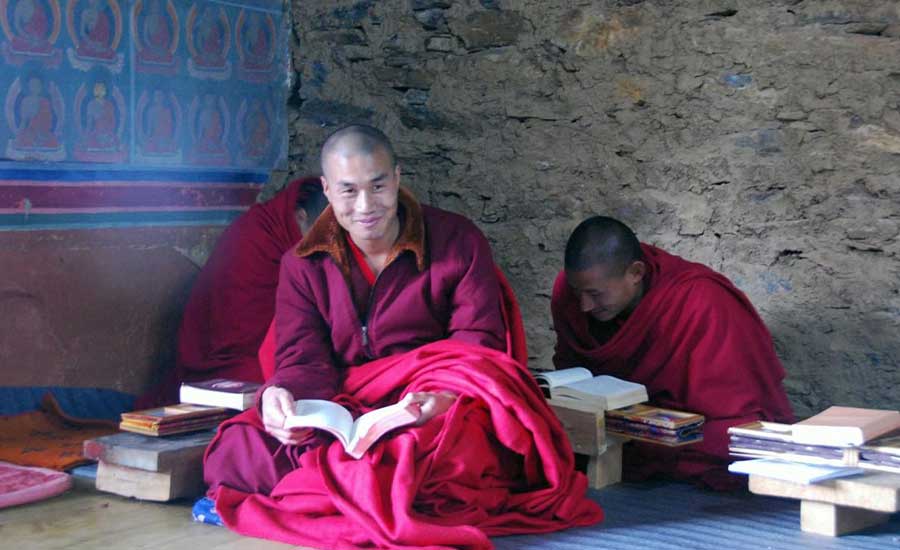
Het Bhutan Tshechu Festival behoort tot de meest bijzondere culturele en spirituele ervaringen in de Himalaya. Van heilige Cham-maskerdansen en eeuwenoude boeddhistische rituelen tot de indrukwekkende Thongdrel-ceremonie: ieder festival biedt een unieke kennismaking met de rijke tradities en het levende boeddhistische erfgoed van Bhutan.
Of u nu de beroemde Paro Tshechu, Thimphu Tshechu, Punakha Tshechu of een ander regionaal festival bezoekt, u ontdekt een land waar spiritualiteit, cultuur en gemeenschapszin nog altijd een centrale plaats innemen in het dagelijks leven.
Bent u van plan om in 2026 of 2027 een Bhutan Tshechu Festival te beleven? Himalayan Dream Team helpt u graag bij het samenstellen van een zorgeloze en onvergetelijke reis. Van festivalreizen en culturele rondreizen tot volledig op maat gemaakte Bhutan- en Nepalreizen—ons ervaren team zorgt ervoor dat u het allerbeste van het Koninkrijk Bhutan kunt ontdekken.
Recente From Blog

16th Apr, 2024

13th Jul, 2026

25th Apr, 2024


13th Jul, 2026

2nd May, 2024

2nd May, 2024

19th Oct, 2024

6th May, 2024

12th May, 2024


4th Jun, 2026

13th May, 2024

12th May, 2024

13th May, 2024

12th May, 2024

13th May, 2024

12th May, 2024


12th May, 2024

12th May, 2024

12th May, 2024

12th May, 2024

13th May, 2024

12th May, 2024


14th May, 2024
3rd Jun, 2026

14th May, 2024

14th May, 2024


15th May, 2024

14th May, 2024


16th May, 2024

26th Sep, 2025


28th May, 2024


29th May, 2024

29th May, 2024

29th May, 2024

29th May, 2024

30th May, 2024


4th Jun, 2024


7th Jun, 2024

7th Jun, 2024

7th Jun, 2024

9th Jun, 2024

9th Jun, 2024

11th Jun, 2024

11th Jun, 2024

11th Jun, 2024

12th Jun, 2024

12th Jun, 2024

18th Jun, 2024

20th Jun, 2024
25th Oct, 2025

20th Jun, 2024

16th Oct, 2024

31st May, 2026
26th Oct, 2025

19th Sep, 2024
20th Sep, 2024

20th Sep, 2024

23rd Sep, 2024

3rd Jun, 2026

23rd Sep, 2024

24th Sep, 2024
25th Sep, 2024

26th Sep, 2024

29th Sep, 2024

29th Sep, 2024

19th Sep, 2025

2nd Oct, 2024

3rd Oct, 2024

5th Oct, 2024

7th Aug, 2026

26th Aug, 2026

28th Nov, 2024

29th Nov, 2024
1st Oct, 2025

1st Feb, 2026

17th Feb, 2025
31st May, 2026
11th Aug, 2025
19th Sep, 2025
21st Sep, 2025

26th Sep, 2025
28th Sep, 2025

29th Sep, 2025
30th Sep, 2025
3rd Oct, 2025

5th Oct, 2025
5th Oct, 2025

27th Jan, 2026

7th Oct, 2025

9th Oct, 2025

12th Oct, 2025

13th Oct, 2025

17th Oct, 2025

4th Oct, 2026

22nd Oct, 2025

25th Oct, 2025

28th Sep, 2026

9th Nov, 2025

10th Nov, 2025


21st Nov, 2025

24th Nov, 2025


30th Dec, 2025

6th Jan, 2026

21st Jan, 2026
20th Feb, 2026
6th Feb, 2026


23rd Mar, 2026

25th Mar, 2026

29th Mar, 2026

29th Mar, 2026
1st Apr, 2026
9th Apr, 2026
20th Apr, 2026

29th May, 2026
9th Jun, 2026
11th Jun, 2026
5th Jul, 2026
14th Jul, 2026
15th Jul, 2026
16th Sep, 2026
16th Sep, 2026
22nd Sep, 2026
28th Sep, 2026
29th Sep, 2026
5th Oct, 2026
7th Oct, 2026